dxvhu
- March 27, 2026
Children are among the most vulnerable members of society. Millions of children across the world face challenges such as poverty, limited access to education, hunger, lack of healthcare, and exposure to unsafe environments. In many communities, many ways nonprofit organisations help Children especially in developing regions, where families struggle to provide the basic needs required for children to grow and thrive.
most especially a place like the northern part of Nigeria, where they have been terrorised and killed innocent people, chased them out of their various villages, and they are homeless. These people need help.
This is where nonprofit organisations step in.
Nonprofit organisations dedicated to helping children play a vital role in bridging gaps that governments and institutions sometimes cannot fully address. These organisations work tirelessly to provide food, shelter, education, healthcare, emotional support, and opportunities for children to build a better future.
Unlike your own businesses chasing profit, nonprofits operate with a mission: to create positive social impact. Their success is measured not by financial gain but by the number of lives improved.
From local community initiatives to worldwide humanitarian programs, nonprofit organisations are transforming the lives of millions of children every day. This article will show the importance of nonprofits helping children, the types of programs they run, the challenges they face, and how individuals and communities can support their work.
1. Why Nonprofit Organizations for Children Are Very Important
Children represent the future of any society. When children are healthy, educated, and supported, they grow into productive adults who contribute positively to their communities. However, many children grow up in circumstances that limit their potential.
Nonprofit organisations help address these challenges in several important ways.
1. Fighting Child Poverty
Child poverty remains a major global issue. Many families struggle to afford food, clothing, education, and healthcare for their children. Nonprofits often provide important resources like food programs, clothing donations, and financial assistance to families in need.
They make sure that children have access to necessities, and nonprofits help create a stable environment where children can focus on learning and personal development rather than survival.
2. Expanding Access to Education
Education is one of the most powerful tools for breaking the cycle of poverty. Unfortunately, millions of children around the world do not have access to quality education due to financial barriers, lack of infrastructure, or social inequality.
- Nonprofit organisations support education by:
- Building schools in underserved communities
- Providing scholarships and school supplies
- Offering after-school programs and tutoring
- Supporting digital learning initiatives
Through these efforts, nonprofits help ensure that children gain the knowledge and skills needed to build successful futures.
3. Improving Child Health and Nutrition
Health and nutrition are critical for child development. Malnutrition, lack of medical care, and poor sanitation can severely affect a child’s growth and well-being.
Many nonprofit organisations run programs that provide:
- Free or subsidised healthcare services
- Vaccination programs
- Nutrition programs and school feeding initiatives
- Clean water and sanitation projects
These initiatives help children grow up healthy and reduce preventable diseases.
4. Protecting Vulnerable Children
Some children face even greater risks due to circumstances such as orphanhood, conflict, abuse, or displacement. Nonprofits often provide safe spaces and protection services for vulnerable children.
These services may include:
- Orphan care and foster programs
- Counselling and emotional support
- Child protection advocacy
- Safe shelters and rehabilitation programs
Through these efforts, nonprofit organisations ensure that vulnerable children receive the care and protection they need.
2. Types of Nonprofit Programs That Help Children
Nonprofit organisations helping children often run a wide range of programs designed to address different aspects of a child’s life. These programs aim to support children holistically and help them grow into healthy and capable individuals.
3. Education Support Programs
Education-focused nonprofits work to remove barriers that prevent children from attending school. They may provide school supplies, uniforms, books, and transportation assistance.
Some organisations also establish learning centres where children can receive tutoring, mentorship, and access to technology that enhances their education.
Scholarship programs are another important component of educational support. These scholarships allow talented but financially disadvantaged students to pursue their academic goals.
4. Food and Nutrition Programs
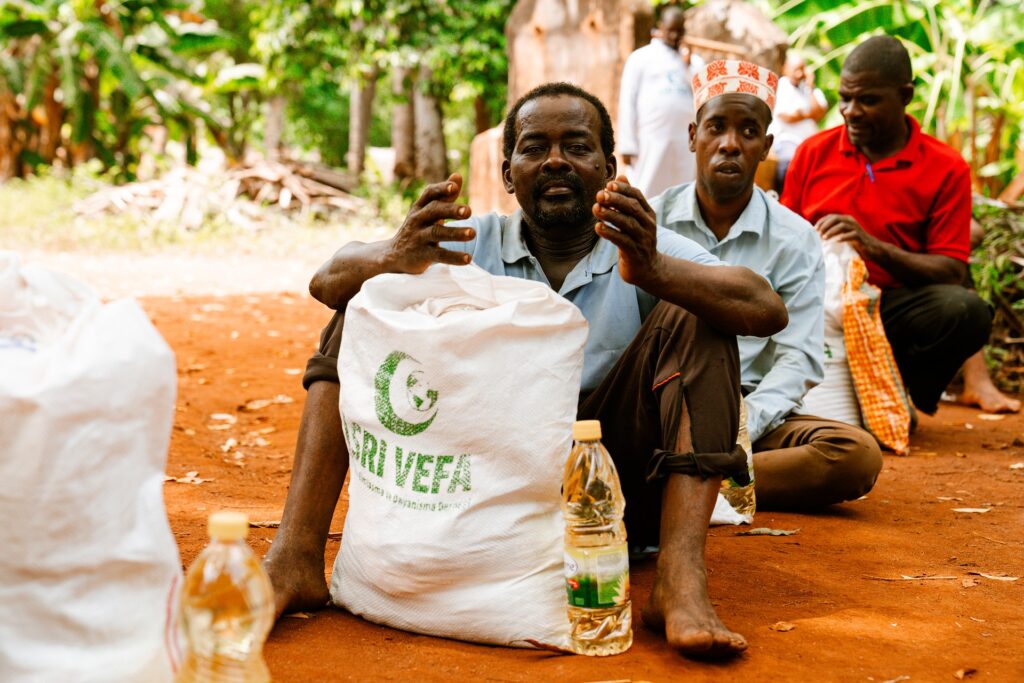
Many children struggle with hunger, which affects their ability to learn and develop properly. Nonprofits often operate feeding programs that provide nutritious meals to children in schools and communities.
School meal programs are especially effective because they improve attendance and concentration in the classroom.
Community food banks, nutrition education initiatives, and agricultural programs are also used to ensure families can provide healthy meals for their children.
5. Healthcare and Medical Outreach
Healthcare-focused nonprofits organise medical outreach programs to provide free check-ups, treatments, and vaccinations for children in underserved communities.
These initiatives are particularly important in rural areas where healthcare facilities may be limited or inaccessible.
Programs may include:
- Mobile medical clinics
- Dental care programs
- Vision screening for students
- Mental health support for children
By addressing health issues early, nonprofits help children lead healthier lives.
6. Child Development and Mentorship Programs
Beyond basic needs, children require emotional support, mentorship, and opportunities for personal development.
Nonprofit organisations often run programs that focus on building confidence, leadership skills, and creativity among children.
Examples include:
- Youth mentorship programs
- Sports and recreation initiatives
- Art and music education programs
- Leadership and life skills workshops
These programs empower children to discover their talents and build self-confidence.
7. The Impact of Nonprofit Organisations on Children
The work of nonprofit organisations has a profound impact on children and their communities. When children receive the support they need, the benefits extend far beyond the individual.
8. Breaking the Cycle of Poverty
Education, healthcare, and skill development help children escape poverty and create better opportunities for themselves and their families. When children grow into educated and skilled adults, they are more likely to contribute positively to the economy and support future generations.
9. Strengthening Communities
Healthy and educated children become responsible citizens who help build stronger communities. Nonprofit programs often bring communities together, encouraging collaboration and shared responsibility for child welfare.
10. Promoting Equality and Inclusion
Nonprofit organisations work to ensure that every child, regardless of background or circumstance, has access to opportunities. Their efforts help reduce inequality and promote social inclusion.
11. Challenges Faced by Nonprofits Helping Children
Despite their important work, nonprofit organisations face several challenges that can limit their ability to reach more children.
12. Limited Funding
Most nonprofits rely on donations, grants, and fundraising activities to support their programs. Limited funding can restrict the number of children they can serve and the scale of their initiatives.
13. Resource Constraints
Nonprofits often operate with limited staff and resources. Many rely on volunteers who dedicate their time and skills to support the organisation’s mission.
14. Logistical and Infrastructure Challenges
In remote or underserved areas, nonprofits may struggle with transportation, infrastructure, and access to essential services needed to implement their programs effectively.
16. Awareness and Engagement
Some organisations face challenges in raising awareness about their work and encouraging community participation.
Addressing these challenges requires collaboration between governments, businesses, communities, and donors.
17. How Individuals Can Support Nonprofits Helping Children
Everyone has the ability to make a difference in the lives of children. Supporting nonprofit organisations does not always require large financial contributions. Small actions can create a meaningful impact.
18. Donating to Charity
Financial donations help nonprofits with their programs and expand their reach. Even small contributions can support initiatives such as school supplies, meals, and medical services for children.
If you want to help the poor, click the button below
19. Volunteering Time and Skills
Volunteering is another powerful way to support nonprofit organisations. Volunteers can help with teaching, mentorship, fundraising, administrative work, and community outreach.
If you want to become a volunteeer please click the button below
20. Raising Awareness
Sharing information about nonprofit initiatives on social media or within communities helps raise awareness and attract more supporters.
21. Corporate and Business Partnerships
Businesses can partner with nonprofit organisations to sponsor programs, donate resources, or organise corporate social responsibility initiatives that benefit children.
22. The Future of Nonprofit Work for Children
As global challenges evolve, nonprofit organisations must continue adapting their strategies to meet the changing needs of children.
Technology is playing an increasingly important role in nonprofit operations. Digital platforms enable organisations to reach more supporters, deliver online education programs, and improve the efficiency of fundraising and communication.
Collaboration between nonprofits, governments, and private sector organisations will also be essential in addressing complex social issues affecting children.
By working together, these stakeholders can create sustainable solutions that empower children and communities for generations to come.
Conclusion
Nonprofit organisations helping children are essential pillars of social development. Through programs focused on education, health, nutrition, protection, and personal development, these organisations provide critical support to millions of children worldwide.
Their work not only improves the lives of individual children but also strengthens families, communities, and societies as a whole.
However, the success of nonprofit initiatives depends on the collective efforts of donors, volunteers, partners, and advocates who believe in the importance of investing in the next generation.
Every child deserves the opportunity to grow up healthy, educated, and empowered. By supporting nonprofit organisations dedicated to helping children, individuals and communities can play a vital role in building a brighter and more equitable future for the world’s youngest generation.